
Molecular Mechanisms of Natural Compounds
An exploration of how natural compounds interact with physiological systems. This article examines the scientific frameworks used to study plant-derived substances and their potential supportive roles in maintaining body function.
Understanding Phytochemistry
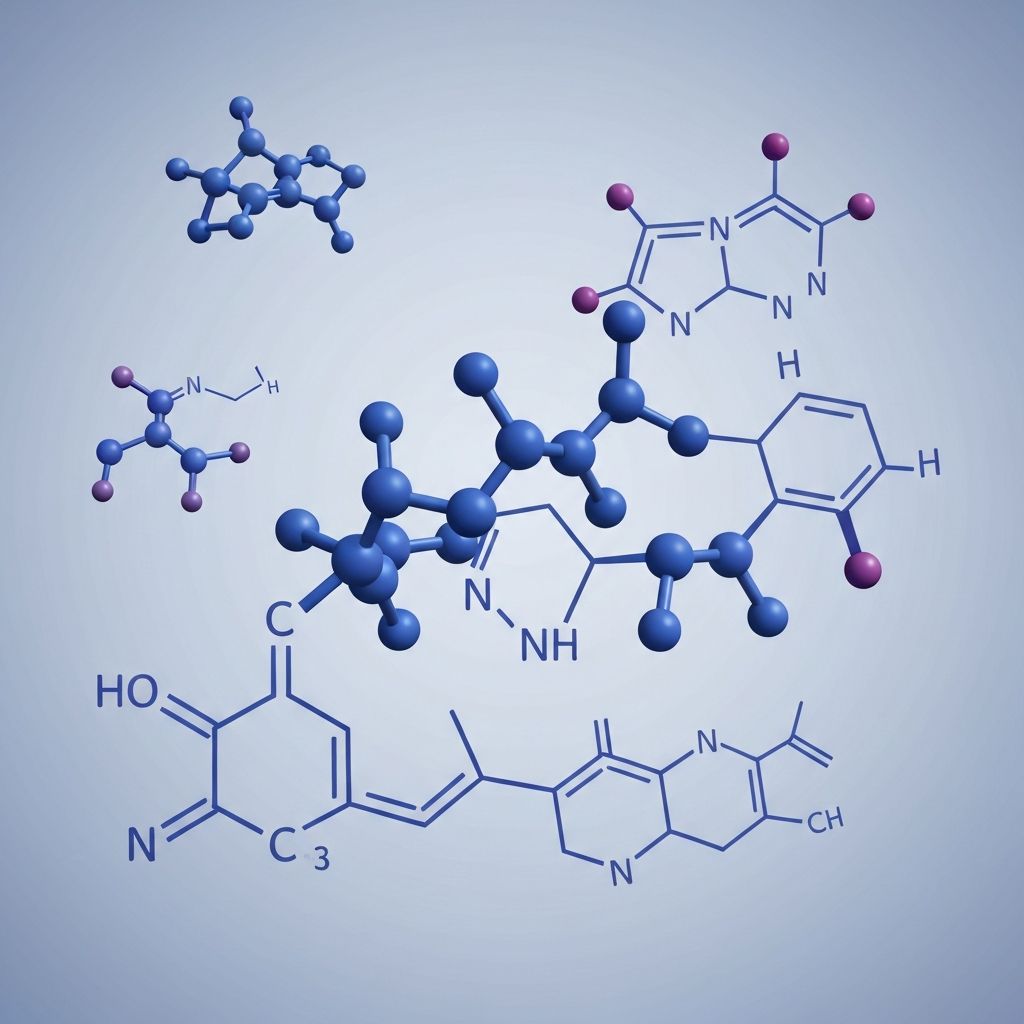
Phytochemistry is the branch of science that explores the chemical composition of plants. Plant compounds, known as phytochemicals, are organic molecules that exist naturally in vegetation and have been the subject of extensive scientific research.
These compounds are typically classified into categories based on their chemical structure: alkaloids, phenolics, terpenoids, and glycosides, among others. Each category has unique properties and potential interactions with biological systems.
Scientists study these compounds to understand their mechanisms of action—how they interact with cells, enzymes, and receptors in the body. This knowledge forms the foundation for understanding how natural substances may support physiological functions.

Cellular Interactions and Bioavailability
When consumed, natural compounds must be absorbed and distributed throughout the body—a process influenced by their chemical structure and properties. Bioavailability refers to the proportion of a substance that enters systemic circulation and becomes available for biological activity.
Research examines how factors such as digestion, metabolism, and individual physiology affect the bioavailability of plant compounds. This understanding helps explain why responses to similar compounds can vary among individuals.
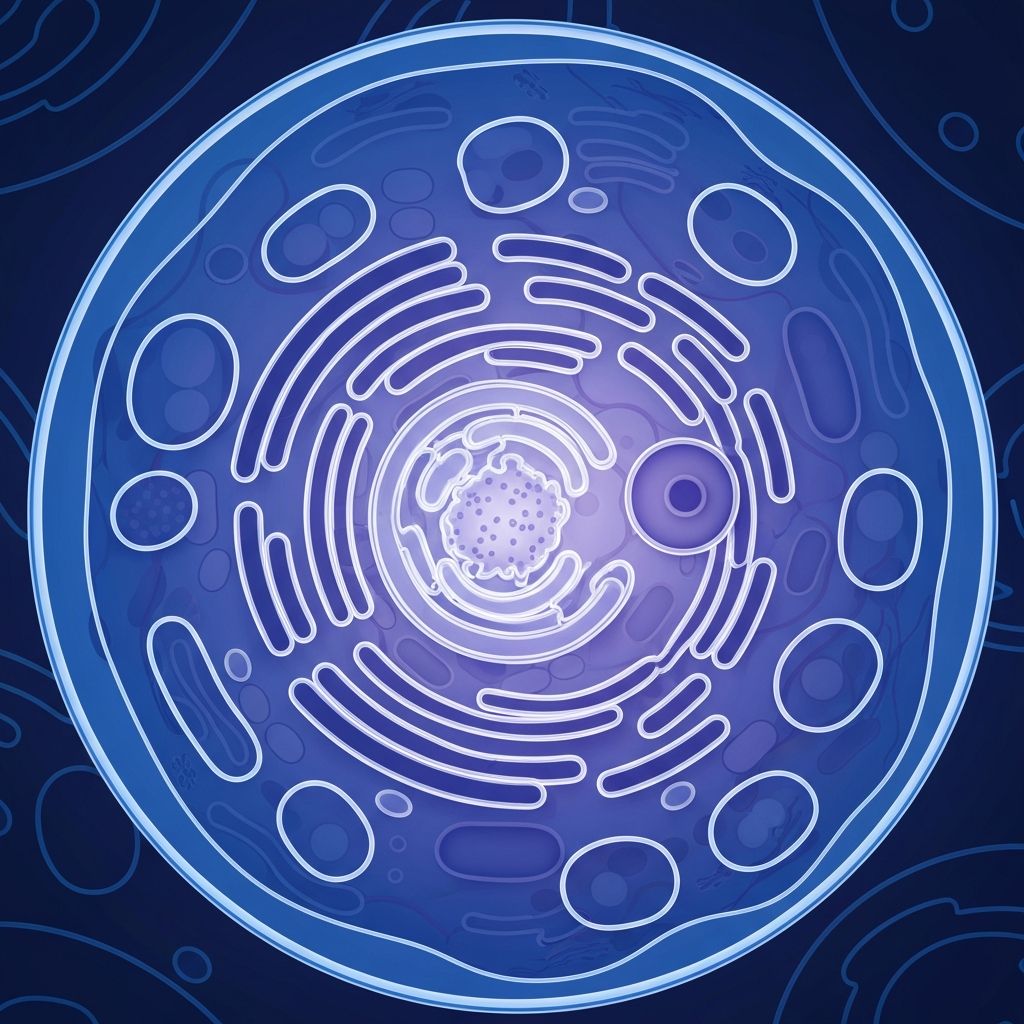
Modern analytical chemistry and cellular biology techniques allow researchers to observe these interactions at the molecular level, providing insights into the mechanisms by which natural compounds support bodily functions.
Research Methodologies
Scientists employ various approaches to investigate natural compounds and their effects on physiological systems:
In Vitro Studies
Laboratory studies using isolated cells or tissues. These provide insights into direct cellular interactions but may not reflect complex in vivo conditions.
In Vivo Studies
Research conducted in living organisms, typically animal models, that examine whole-body effects and systemic interactions of compounds.
Clinical Trials
Human studies that examine safety, efficacy, and practical outcomes. These represent the most comprehensive but also the most complex research approach.
Conclusion
Understanding the molecular mechanisms of natural compounds is essential for appreciating how they may support physiological function. Modern science continues to reveal the complexity of these interactions, demonstrating that plant-based substances operate through sophisticated biochemical pathways.
As research progresses, our understanding deepens, allowing for more nuanced appreciation of how lifestyle factors, dietary choices, and natural compounds contribute to overall well-being and active living.
Back to BlogEducational Disclaimer
This article is purely educational. It provides scientific context and general information about natural compounds and research methodologies. It does not constitute medical advice or claims about treating any medical condition. Consult a healthcare professional before making changes to your diet or lifestyle.
Not a medicinal product. Consult a doctor before use.