
Historical Context of Botanical Remedies
Trace the historical use of plant-based compounds across cultures and centuries. Understand how traditional knowledge has informed modern scientific inquiry and contemporary wellness practices.
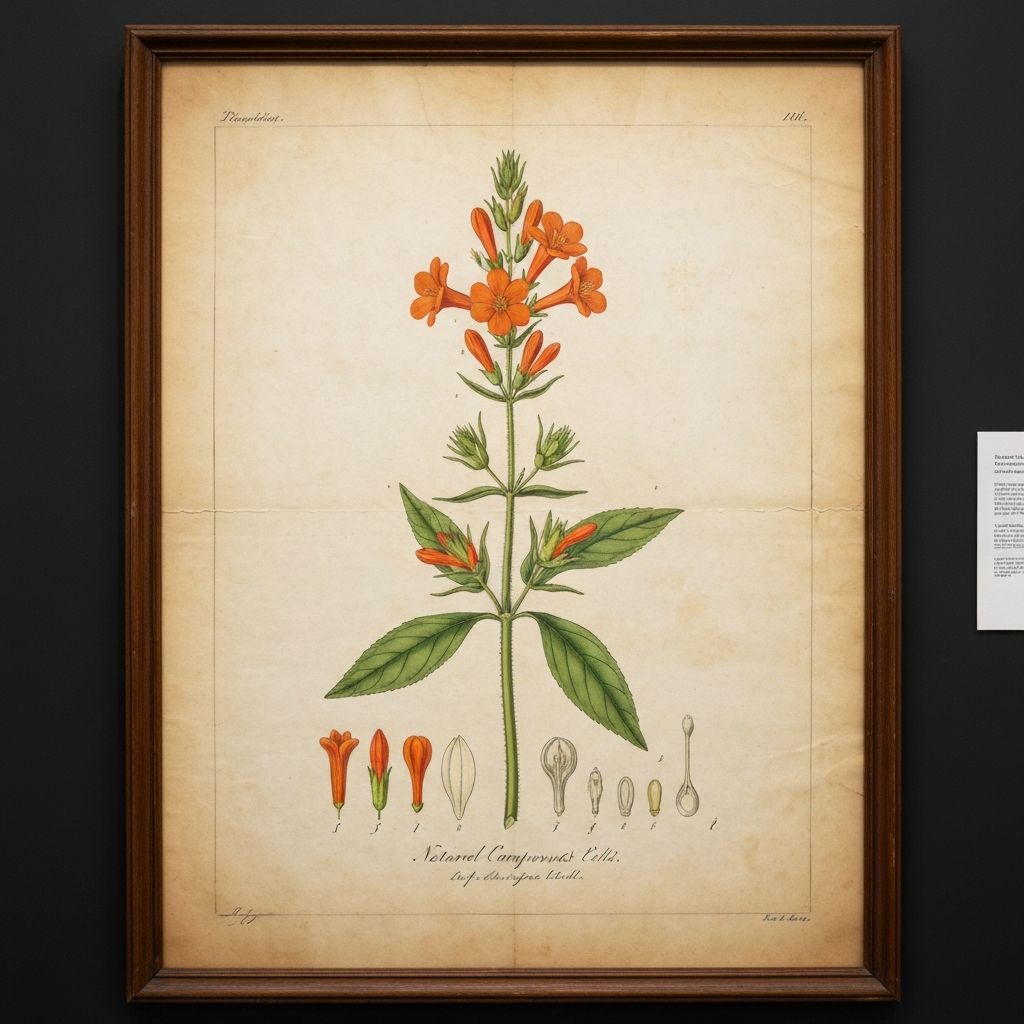
Ancient Traditions and Plant Knowledge
Throughout human history, cultures across the world have recognized and utilized plant compounds for supporting wellness and maintaining active lifestyles. Ancient Ayurvedic traditions in India, Traditional Chinese Medicine, and herbalist practices in Europe all developed sophisticated systems of plant use based on centuries of observation.
These traditions were not based on modern biochemistry—which did not exist—but rather on empirical observation and systematic documentation. Over generations, practitioners refined their knowledge, identifying which plants supported specific bodily functions and how to prepare them for optimal use.
The fact that similar compounds were independently valued across geographically distant cultures suggests a genuine recognition of their supportive properties.
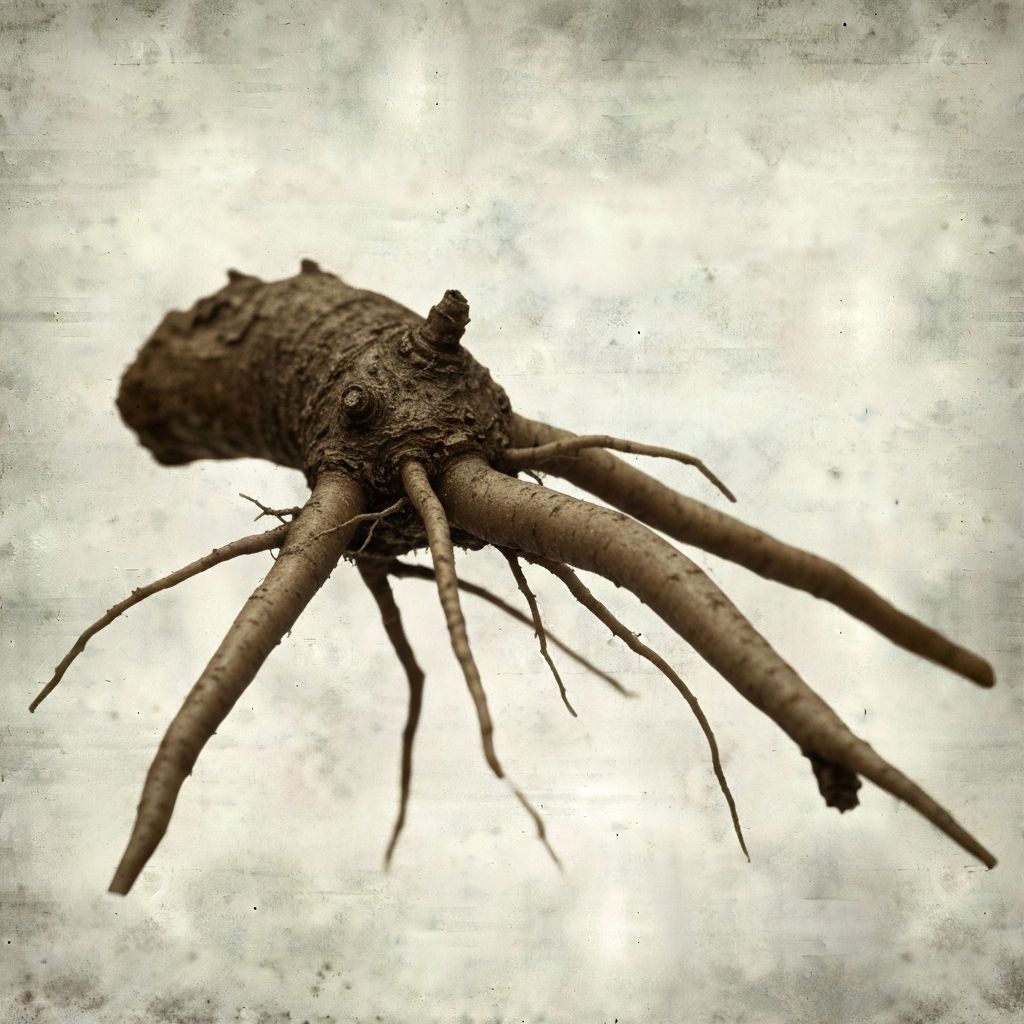
Transition to Modern Science
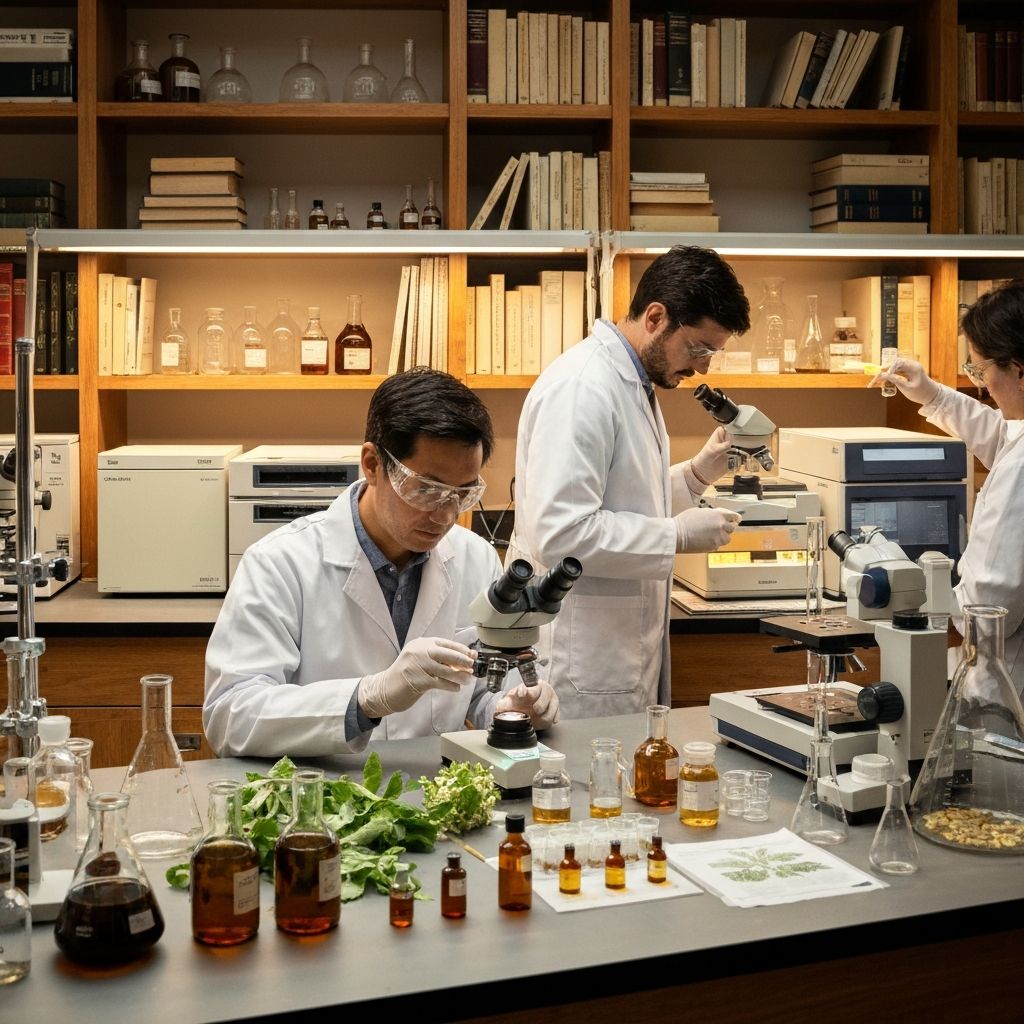
The emergence of modern chemistry and biology in the 18th and 19th centuries allowed scientists to systematically investigate the compounds within plants. Researchers began isolating active constituents, analyzing their chemical structure, and studying their effects through controlled experimentation.
This scientific approach validated many traditional uses while also clarifying mechanisms of action and optimal applications. Some traditional practices were refined based on scientific findings, while others were reassessed and contextualized within modern understanding.
This bridge between traditional knowledge and modern science represents one of the most valuable developments in botanical and pharmaceutical research.
Cultural Perspectives on Plant Compounds
Ayurvedic Traditions
India's ancient system of medicine developed detailed classifications of plants and their properties, emphasizing balance and individualized approaches to wellness. These practices span thousands of years of accumulated knowledge.
Traditional Chinese Medicine
Chinese medical texts document the use of botanical compounds for thousands of years, with sophisticated categorizations and combination strategies that continue to inform contemporary practice.
European Herbalism
Western herbalist traditions, documented in medieval texts and herbals, identified specific plants for supporting various aspects of health and maintaining activity and well-being.
Relevance to Contemporary Understanding
Historical perspectives on botanical compounds provide valuable context for modern scientific inquiry. When a plant has been valued across multiple cultures for centuries, this historical record can guide contemporary research priorities.
Modern scientists often begin investigations by examining traditionally used plants, knowing that centuries of human experience suggest potential biological activity. This approach has proven highly efficient in drug discovery and botanical research.
Understanding the historical context allows us to appreciate plant compounds not as modern inventions but as substances that have been thoughtfully integrated into human wellness practices for millennia.
Back to BlogEducational Disclaimer
This article presents historical information about traditional uses of botanical compounds. It does not constitute medical advice or claims about treating any condition. Traditional use does not guarantee efficacy or safety by modern standards. Consult a healthcare professional before using any botanical substance.
Not a medicinal product. Consult a doctor before use.